
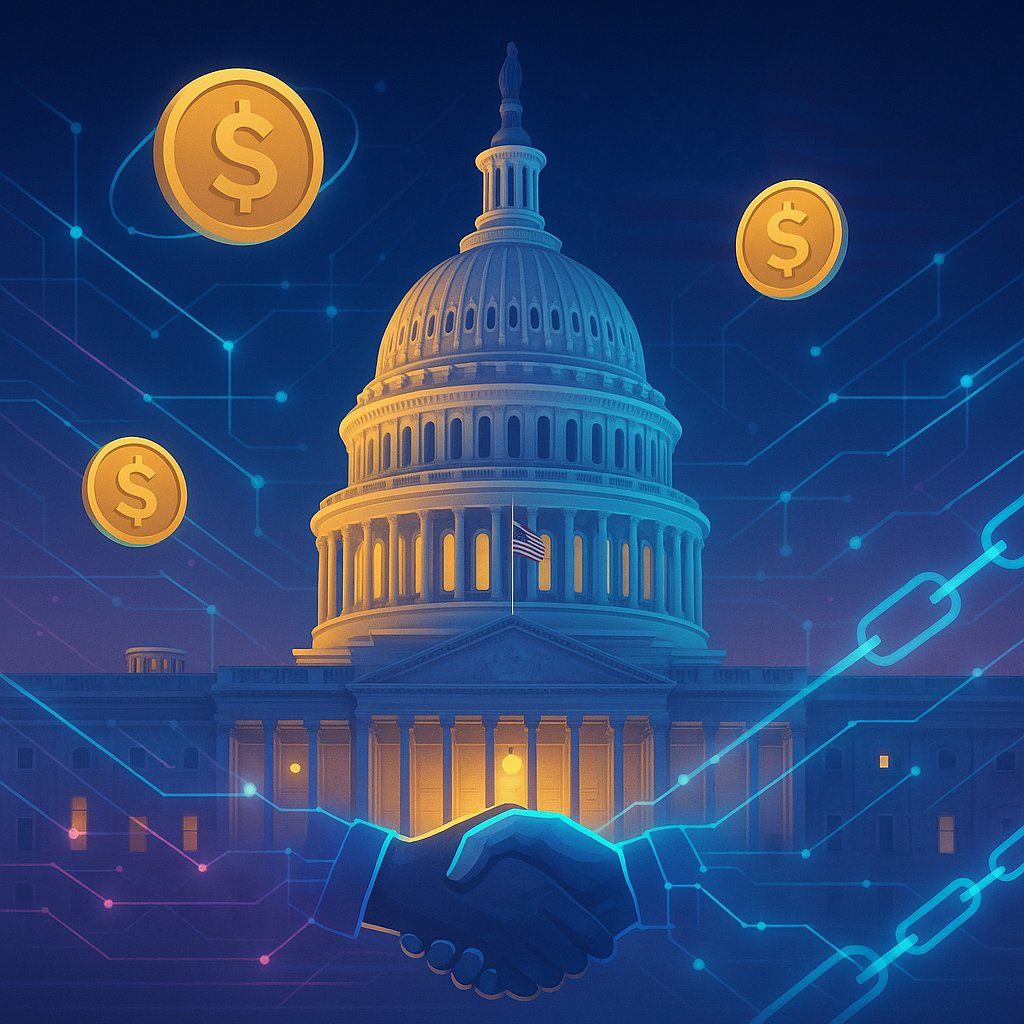

- The Senate will hear from Coinbase and Multicoin Capital executives on Tuesday about cryptocurrency regulation following the passage of the GENIUS Act.
- Trump supports the stablecoin bill but faces questions about his family’s crypto investments.
- Both chambers are advancing separate digital asset legislation while Democrats are raising concerns about a conflict of interest.
The United States Senate is accelerating efforts to establish comprehensive cryptocurrency regulations, with the Banking Committee’s digital asset subcommittee preparing to examine market structure frameworks just days after passing landmark stablecoin legislation.
The subcommittee will convene on Tuesday to hear testimony from industry leaders as lawmakers work toward bipartisan digital asset. The session represents the chamber’s first major follow-up since the GENIUS Act secured passage on June 17 with a decisive 68-30 vote, sending the stablecoin regulation bill to the House of Representatives.
Industry Experts to Shape Regulatory Framework
Three key witnesses will address the subcommittee’s efforts to create balanced cryptocurrency market structure policies. Coinbase Vice President of Legal Ryan VanGrack will represent one of the nation’s largest cryptocurrency exchanges. At the same time, Multicoin Capital General Counsel Greg Xethalis will provide venture capital perspectives on digital asset regulation.
Sarah Hammer, Executive Director at the University of Pennsylvania’s Wharton School, will contribute academic insights to the discussions. The hearing aims to build consensus around legislative approaches that balance innovation with consumer protection.
Senator Cynthia Lummis, who chairs the digital assets subcommittee, has not responded to requests for comment regarding the upcoming session’s objectives.
While the Senate deliberates its approach, the House of Representatives has already advanced competing legislation. The Digital Asset Market Clarity Act, known as the CLARITY Act, passed the House Agriculture Committee and the House Financial Services Committee earlier this month.
The House bill now awaits floor consideration, creating parallel paths for cryptocurrency regulation in both chambers. Congressional observers remain uncertain whether the Senate will introduce companion legislation to the CLARITY Act or develop separate market structure provisions.
The legislative momentum comes as both chambers seek to address long-standing regulatory uncertainty that has affected the cryptocurrency industry’s growth in the United States.
Presidential Priorities and Political Challenges
President Donald Trump supported the GENIUS Act, stating he would sign the legislation “with no add-ons” if the House passes it expeditiously. However, the administration faces competing priorities as Trump confronts congressional criticism over recent military actions against Iran conducted without legislative authorization.
Democratic lawmakers continue questioning potential conflicts of interest regarding Trump’s cryptocurrency connections. Critics point to the president’s family ties to digital assets through memecoin investments, the World Liberty Financial platform, and substantial political contributions from cryptocurrency company executives.
The combined passage of stablecoin and market structure legislation could resolve many regulatory concerns that have constrained the American cryptocurrency sector. However, partisan disagreements over the administration’s industry relationships may complicate the bills’ final approval process.
Disclaimer
The content shared on KryptoVaultDaily is for informational purposes only and does not constitute financial or trading advice. We do not offer guarantees and assume no responsibility for investment decisions based on the material provided. Always research and seek guidance from a licensed financial advisor before trading cryptocurrency or investing.
