
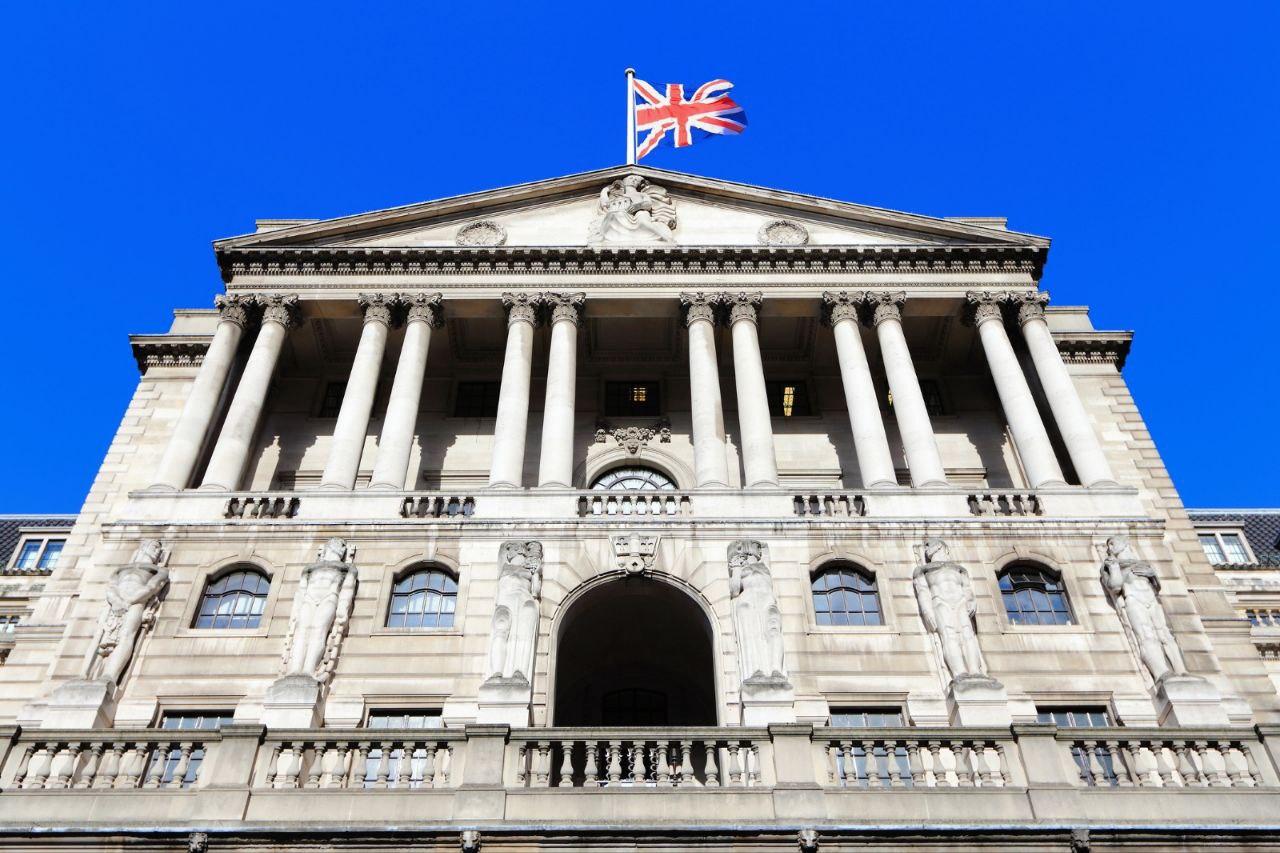

- The Bank of England is reconsidering its plan to launch a digital pound and may abandon it.
- Officials are urging commercial banks to improve payment systems instead of creating a CBDC.
- Public concerns over privacy and stability, along with global skepticism, are influencing the decision.
The Bank of England (BoE) is reconsidering its plans to launch a retail-focused central bank digital currency (CBDC), signaling a possible retreat from earlier intentions to introduce a “digital pound.”
According to a Bloomberg report citing sources familiar with the matter, BoE officials are increasingly skeptical about the necessity and benefits of issuing a state-backed digital currency. The central bank is now encouraging commercial banks to accelerate innovation in existing payment systems instead.
Digital Pound Faces Uncertain Future
At a Parliamentary Treasury Committee hearing this week, BoE Governor Andrew Bailey stated he would require “a lot of convincing” to proceed with the digital pound if private-sector advancements prove successful.
“I think that’s a sensible place to do it,” Bailey noted, adding that if commercial innovations succeed, “I question why we need to introduce a new form of money.”
This marks a significant shift from the central bank’s position in 2023, when it stated that a digital pound was “likely needed” in the future. However, no final decision has been made, and the project remains under development.
Public feedback on the CBDC proposal has been overwhelmingly critical, with over 50,000 responses submitted during the consultation phase. Key concerns include user privacy, the potential for destabilizing bank runs, and the threat of foreign or Big Tech-issued stablecoins undermining the British pound.
UK Lagging Behind in Global CBDC Race
While countries such as Nigeria, Jamaica, and the Bahamas have officially launched CBDCs, the UK remains in the development stage. According to the Atlantic Council’s CBDC tracker, 49 countries are in the pilot phase, 20 are in development, and 36 are still in the research phase.
The UK’s slow progress has attracted attention from political groups and conspiracy theorists, with some lawmakers openly challenging the project’s implications for financial surveillance and user autonomy.
U.S. Advances Anti-CBDC Legislation
Across the Atlantic, the U.S. House of Representatives recently passed the Anti-CBDC Surveillance State Act. This legislation prevents the Federal Reserve from issuing or testing a digital dollar without congressional approval.
The move came alongside broader crypto legislation, including the GENIUS Act, which aims to regulate stablecoins. Some U.S. lawmakers argue that such frameworks could create indirect pathways for government-backed digital currencies.
As central banks navigate regulatory, political, and technological hurdles, the future of CBDCs remains uncertain. The UK is shifting its focus toward bolstering commercial financial infrastructure rather than launching a government-issued digital pound.
Disclaimer
The content shared on KryptoVaultDaily is for informational purposes only and does not constitute financial or trading advice. We do not offer guarantees and assume no responsibility for investment decisions based on the material provided. Always research and seek guidance from a licensed financial advisor before trading cryptocurrency or investing.
