
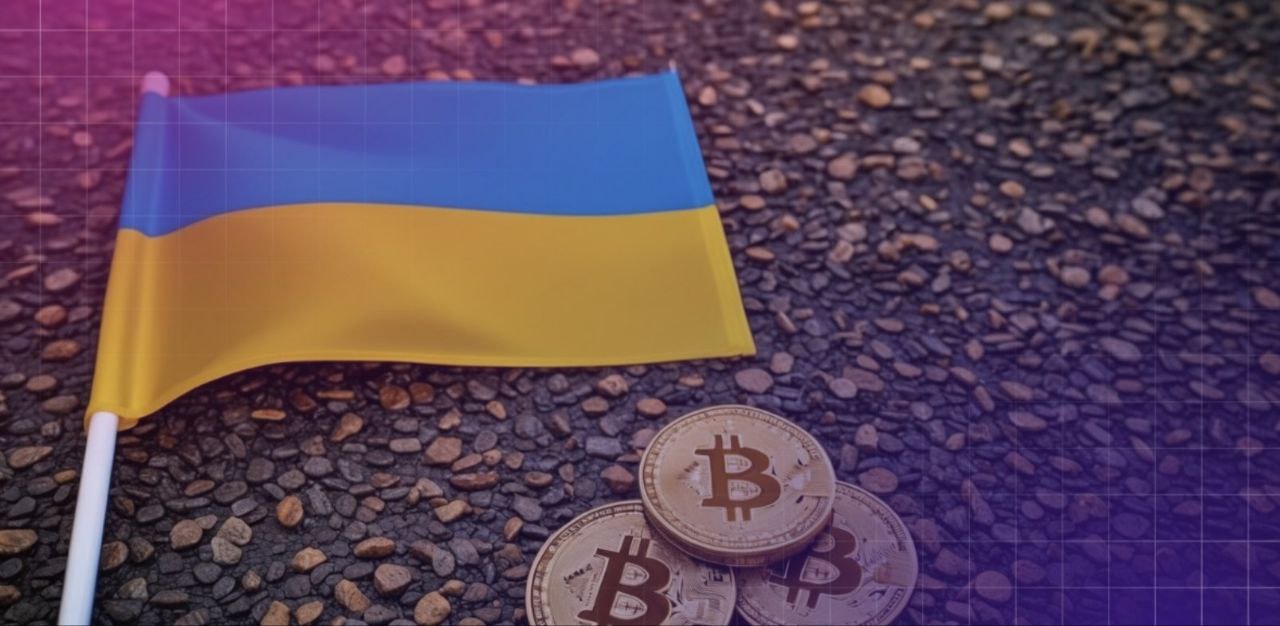

- Ukraine will legalize crypto, but won’t allow it as legal tender or payment method.
- The country plans to create a strategic Bitcoin reserve under central bank control.
- All crypto regulations must follow international FATF standards and European compliance requirements.
Ukraine’s National Bank has confirmed plans to legalize cryptocurrencies under strict regulatory conditions. Governor Andriy Pyshnyy announced that digital assets will gain official recognition but cannot function as legal tender within the country’s financial system.
The central bank established firm boundaries for crypto integration. Pyshnyy emphasized that virtual assets cannot serve as payment methods or compromise the effectiveness of monetary policy tools. The governor stated that allowing crypto as legal tender represents a “red line” for the institution.
Ukraine’s approach prioritizes financial stability over widespread crypto adoption. The NBU aims to strengthen the country’s financial framework through controlled legalization rather than unrestricted digital asset use.
The decision follows Vietnam’s recent move to legalize Bitcoin and other cryptocurrencies. However, Ukraine’s strategy is more conservative than other nations embracing crypto payments.
Strategic Bitcoin Reserve Plans Gain Momentum
The legalization framework provides a foundation for Ukraine’s proposed Bitcoin reserve initiative. Member of Parliament Yaroslav Zhelezniak previously introduced legislation allowing the central bank to include cryptocurrencies in state reserves.
The proposed bill grants the NBU full authority to determine crypto allocation decisions. Without mandatory requirements, the bank would control timing, amounts, and specific digital assets included in national reserves.
Zhelezniak confirmed that implementation details remain at the regulator’s discretion. The central bank controls reserve management strategies and crypto investment approaches.
This development aligns with global trends as countries like the United States and Pakistan explore strategic Bitcoin reserves. Ukraine’s measured approach positions the nation among countries building institutional crypto frameworks.
Regulatory Compliance Takes Priority
The NBU stressed that crypto legalization must align with international standards. The framework will implement Financial Action Task Force (FATF) guidelines and European regulatory requirements.
Pyshnyy warned against using crypto assets to circumvent currency controls during martial law. The central bank maintains strict oversight to prevent regulatory bypasses through digital asset transactions.
Financial monitoring effectiveness remains a core concern for Ukrainian authorities. The legalization process incorporates comprehensive oversight mechanisms to ensure compliance with existing financial regulations.
The governor confirmed that crypto integration will not undermine the central bank’s regulatory authority. The NBU plans to control monetary policy implementation while fully accommodating digital asset recognition.
Ukraine’s cautious crypto legalization strategy reflects broader concerns about financial stability during wartime. The approach balances innovation opportunities with regulatory control requirements.
Disclaimer
The content shared on KryptoVaultDaily is for informational purposes only and does not constitute financial or trading advice. We do not offer guarantees and assume no responsibility for investment decisions based on the material provided. Always research and seek guidance from a licensed financial advisor before trading cryptocurrency or investing.
