
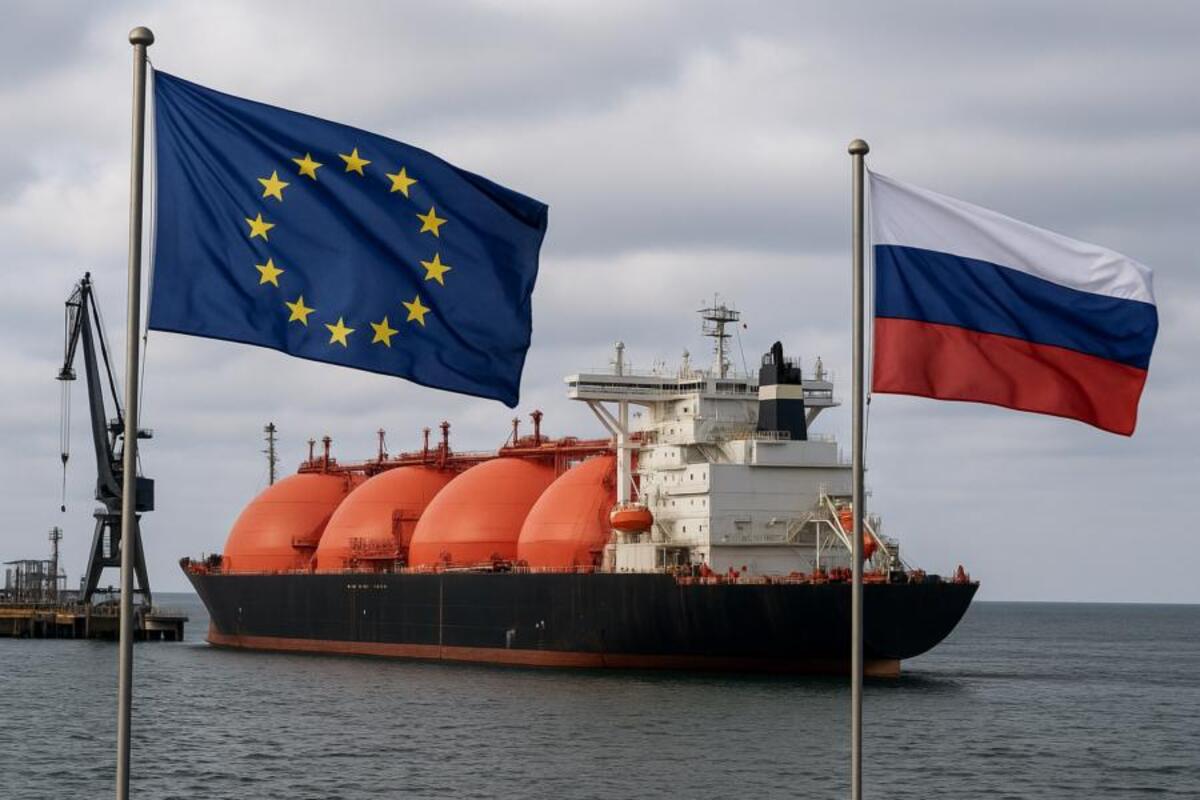

- EU bans Russian LNG imports to cut Moscow’s key energy and revenue lifeline.
- Brussels targets crypto networks and shadow fleets to block Russia’s sanctions evasion routes.
- Coordinated EU–US sanctions increase economic pressure on Kremlin amid ongoing Ukraine conflict.
Zanewski said the European Union sanctioned Russian LNG imports, financial institutions, and crypto exchanges under a comprehensive package. The move is in line with recent actions of Washington against the oil giants of Russia, signaling a new transatlantic teamwork. European leaders said the sanctions aim to cut off the Kremlin’s funding sources for the war in Ukraine. The ruling is one of the largest attempts by the EU so far to limit the energy and financial power of Russia.
EU and US Strengthen Coordination on Russian Sanctions
Ursula von der Leyen, the President of the European Commission, stated on X that the sanctions deliver a strong message of unity between the EU and the United States. She made this remark shortly after President Donald Trump stated that the United States would impose new sanctions on Rosneft and Lukoil, the biggest oil corporations in Russia. Ukrainian President Volodymyr Zelensky welcomed the joint actions and said they were very important for maintaining pressure on Moscow.
The EU first introduced the sanctions in September, but Slovak Prime Minister Robert Fico blocked the proposal due to concerns over energy prices and car regulations. Danish Foreign Minister Lars Løkke Rasmussen noted that member states reached a unanimous vote after resolving earlier disputes. He emphasized that the sanctions continue to hurt the Russian economy and urged Europe to maintain strong pressure on Moscow.
EU Bans Russian LNG and Closes Crypto Loopholes
The central component of the new package will be a step-by-step prohibition of the Russian imports of liquefied natural gas. EU representatives said short-term contracts will end within six months, while long-term agreements will expire a year earlier than planned. It aims to be less reliant on Russian energy and ensure that the Kremlin does not use gas revenue to support its war in Ukraine.
The EU also extended the sanctions to cover crypto transactions and routes used to evade financial bans.EU regulators ensured that crypto exchanges and digital wallets are to become the subject of the recent sanctions framework. Also, the bloc sanctioned more than 100 other Russian ships in the so-called shadow fleet, which numbered 558.
Brussels is also reviewing new sanctions on A7A5, a ruble-backed stablecoin launched by A7 and Promsvyazbank, both already under Western sanctions. The action would ban EU-based businesses and people to deal with the token, after doing the same in the U.S. and the U.K.
Disclaimer
The content shared on KryptoVaultDaily is for informational purposes only and does not constitute financial or trading advice. We do not offer guarantees and assume no responsibility for investment decisions based on the material provided. Always research and seek guidance from a licensed financial advisor before trading cryptocurrency or investing.
