
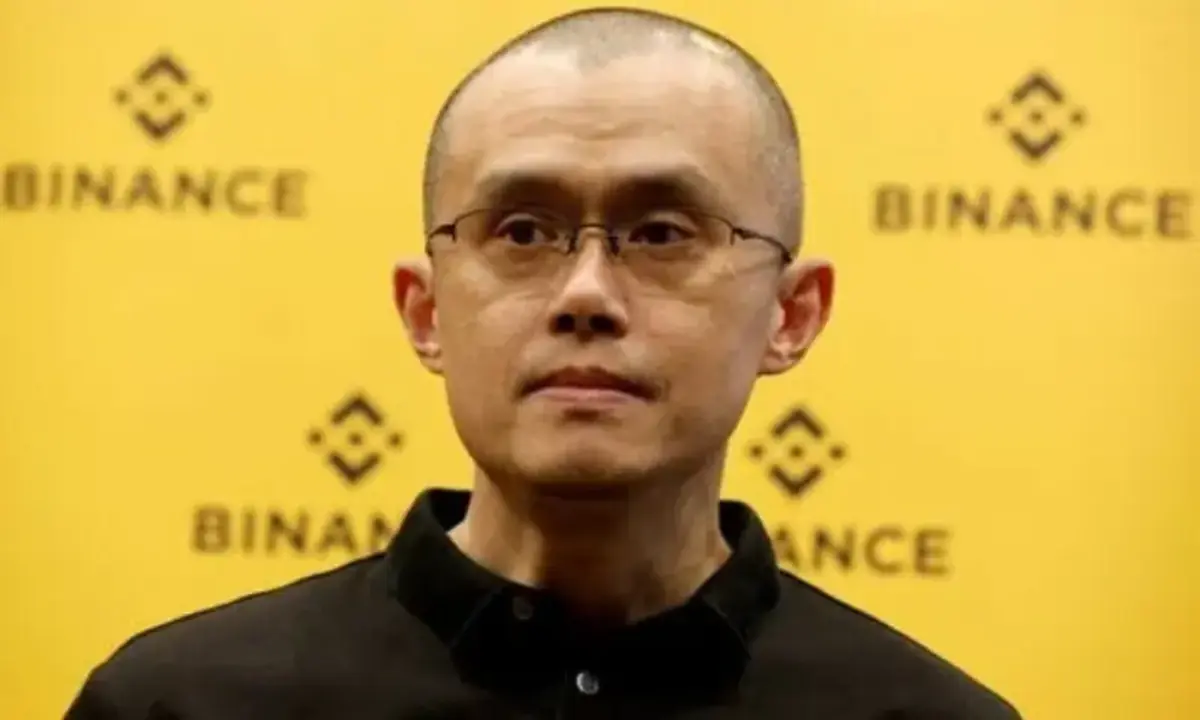

- Trump’s pardon of Changpeng Zhao signals a policy shift favoring cryptocurrency innovation.
- The White House frames Zhao’s prosecution as politically motivated under prior leadership.
- Binance may regain U.S. market access as Zhao’s legal barriers are lifted.
President Donald Trump granted a full pardon to Binance founder Changpeng Zhao, ending a two-year legal battle that reshaped the global crypto industry. This relocation comes after several months of trying to absolve himself and regain his influence in the digital asset industry by Zhao. The White House added that the pardon was a correction of politically motivated prosecutions on blockchain innovators. The ruling can also redefine the U.S. policy of Binance as it tries to get back into business in a more crypto-friendly government.
White House Positions Pardon as End to Crypto Crackdown
White House Press Secretary Karoline Leavitt said the Biden administration targeted Zhao as part of what she called its war on cryptocurrency. She opined that President Trump exercised his constitutional authority to stop politically instigated activities against the industry pioneers. In 2023, U.S. authorities found that Zhao failed to implement proper anti-money-laundering procedures, forcing Binance to pay more than $4 billion in fines. In 2024, Zhao resigned as CEO after four months in prison.
As of Wednesday, the pardon officially removed the remaining legal limits on Zhao’s activities in the United States. However, it does not automatically restore his executive authority at Binance. Moreover, Trump told his advisers that he deeply empathized with arguments of political persecution surrounding Zhao’s case. Consequently, he viewed the situation as a clear example of the previous administration’s hostility toward crypto innovation.
Binance and Trump Allies Strengthen Crypto Ties
The Wall Street Journal reports that members of the Trump family discussed possible investments in Binance’s U.S. division while Zhao was campaigning for a pardon. These discussions occurred as speculation about a potential pardon intensified, drawing criticism over the overlap between political and business interests. Zhao, as well as the present-day Binance CEO Richard Teng, did not want these discussions to affect the final decision.
Zhao, who remains Binance’s majority shareholder, cannot yet hold an executive role under U.S. law. The pardon, however, eliminates major legal hurdles that have restricted his involvement in the international operations of the company. Analysts said the action would help to reinstate investor confidence and increase Binance’s work to reestablish its operations in America.
Disclaimer
The content shared on KryptoVaultDaily is for informational purposes only and does not constitute financial or trading advice. We do not offer guarantees and assume no responsibility for investment decisions based on the material provided. Always research and seek guidance from a licensed financial advisor before trading cryptocurrency or investing.
